Woks occupy a singular area inside the kitchen. They’re now not just pans; they’re vessels for top-warmness drama, smoky aromas, and speedy, transformative cooking. If you’ve stood in entrance of a stovetop, agonizing between the heft of solid iron and the lighter touch of carbon steel, you understand this isn't really a trivial decision. The subject material you make a selection shapes your stir-fries and your muscle reminiscence. Let’s explore how weight recommendations the steadiness among forged iron and carbon metallic woks—and why that matters extra than so much comprehend.
The Feel in Your Hands
When you first select up a wok, it’s no longer the shiny advertising reproduction or elegant curves that make an impact—it’s the weight. A favourite 14-inch solid iron wok can tip the scales at 8 to twelve pounds sooner than you even upload oil or vegetables. By contrast, a equivalent-sized carbon metallic wok mainly weighs between 2 and four kilos.
This change is speedy if you happen to are attempting tossing cuisine over excessive warmness. Even professional chefs with reliable wrists will uncover continual tossing—and quite single-handed stir-frying—ordinary with carbon metal. Cast iron calls for greater potential, %%!%%c9a36ba8-one thousand-4064-84d6-2077b3f90b59%%!%% requiring two palms for dependable maneuvering. For a few domestic cooks, primarily those with smaller hands or less top physique electricity, this distinction on my own makes the choice evident.
Heat: Retention vs Responsiveness
Weight isn’t with regards to handling; it at once affects how a wok behaves under hearth.
Cast iron excels at maintaining onto warm. Once warm, it remains sizzling. That’s why seared steaks grow such most excellent crusts on cast iron skillets—the equal idea applies to woks. In follow, which means that a solid iron wok can drive simply by cold elements without dropping temperature too rapidly. However, it additionally way slower preheating (be expecting quite a few mins for the wok to come back up to temperature) and slow cooling whenever you overshoot.
Carbon steel is nimble by cast iron wok vs carbon steel contrast. It heats right away and cools well-nigh as fast while removed from the burner or uncovered to chilly sauces. This responsiveness presents experienced chefs tight management over browning, stir-frying, or simply preventing cooking after adding gentle components like scallions or eggs.
In my own kitchen, I achieve for carbon steel when I need to go without delay—consider flash-cooked greens or scrambled eggs with scallion oil—even though I appreciate cast iron for gradual-braised Chinese crimson-cooked beef or dishes in which residual warmness is helping conclude off thicker cuts.
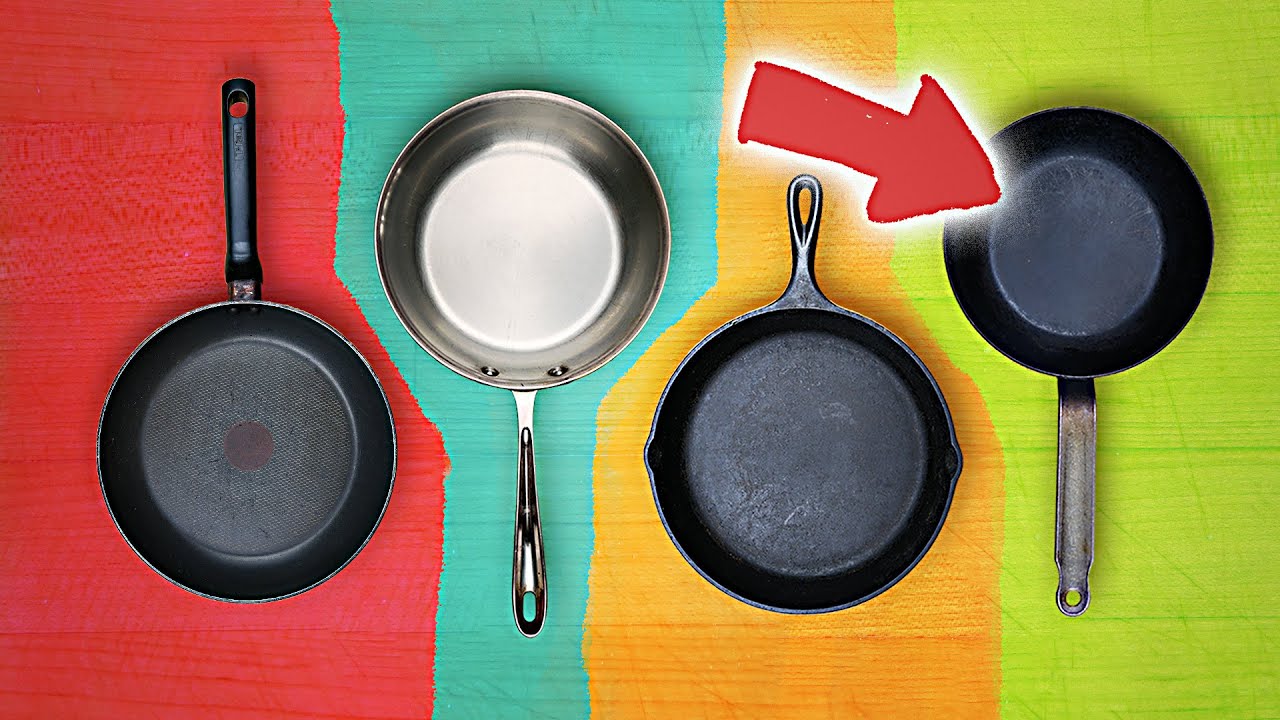
Stir-Fry Technique: Tossing and Turning
The vintage Cantonese methodology includes lifting and shaking the wok with one hand even as shoveling components with a spatula inside the different. Carbon metallic’s lightness makes this action that you can imagine for expanded periods devoid of fatigue.
If you've gotten ever watched a professional chef at a Chinese eating place, their woks are in the main well-worn carbon metal models. These cooks toss nutrition repeatedly, creating “wok hei”—that elusive smoky flavor prized in Chinese cooking—by way of exposing substances to intense warmth and open flame for simply seconds at a time.
Try this for yourself: elevate the two styles of woks whilst empty, then repeat whilst loaded with 0.5 a pound of hen and chopped veggies. Cast iron promptly looks like a workout; carbon steel feels like an extension of your arm.
For dwelling house chefs with gasoline burners that don’t rival restaurant BTUs, this agility concerns even extra. You’ll depend on immediate stream to evade sticking and make certain even searing.
Seasoning: Building—and Keeping—a Nonstick Surface
Both fabrics strengthen nonstick features using seasoning—a process of polymerizing oil on their surfaces—yet their weight adjustments how seasoning behaves day by day.
A heavy forged iron wok with thick walls retains scorching spots longer, so seasoning layers have a tendency to accumulate thicker and often times patchier if no longer cared for fastidiously. It’s a good deal tougher to do away with stubborn buildup on forged iron with ease for the reason that scrubbing one of these heavy pan is awkward, distinctly with two hands required to arrange the burden.
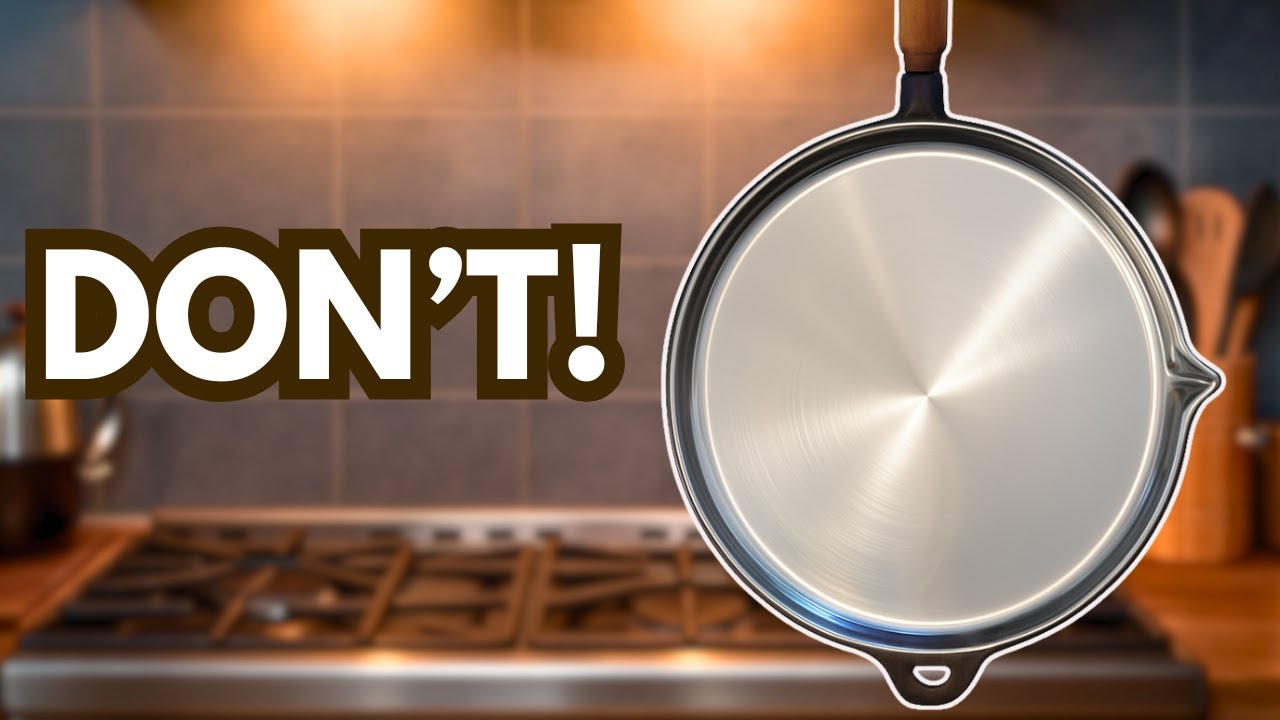
Carbon steel’s thinner partitions mean seasoning layers are ordinarily thinner but more uniform should you take time to swirl oil frivolously for the period of initial seasoning. Maintenance is also much less taxing physically. If seasoning flakes or receives sticky, scrubbing down a lightweight pan is swift paintings.
Over years of use, I’ve came across my carbon steel woks develop a smoother patina with much less elbow grease required for upkeep when compared to their heavier cousins.
Durability: Taking Abuse in Stride
The popularity of cast iron for sturdiness is known: drop one on tile, and you chance cracking your floor in the past harmful the pan. However, its very weight might be a legal responsibility if it slips from your snatch or collides with another pot.
Carbon steel woks are more forgiving if dropped—dents are that you can imagine but cracks are rare. Their lighter construct additionally makes them much less most likely to chip countertops or ft if an twist of fate takes place. In eating place settings the place velocity is paramount, this has purposeful outcomes: a cook dinner who desires to change woks effortlessly won’t danger injury or catastrophe with carbon metal.
Over time, either pans can remaining many years with useful care. The in simple terms caveat: carbon metal can warp if left empty on excessive warmth too lengthy, whereas solid iron can crack from sudden thermal surprise (like rinsing a scorching pan less than bloodless water).
Cooking Styles: Matching Material to Dish
Not each recipe merits similarly from both drapery. Here’s where revel in comes into play.
Certain Southern Chinese dishes—like dry-fried inexperienced beans or speedy-seared red meat—are terrific performed with a light-weight carbon steel wok that responds straight to heat changes. You want speedy evaporation, fierce sizzle, and minimal sticking.
Dishes that want constant, moderate warmth—consider simmered tofu with black bean sauce or Mapo Doufu—can improvement from cast iron’s resilience opposed to temperature drops whilst cold sauces are brought.
I as soon as attempted smoking tea leaves in the two forms of woks for tea-smoked duck: The forged iron stored smoke billowing longer yet used to be more difficult to blank in a while as a result of tar developed up along heavy sizzling spots; carbon metallic misplaced warmth sooner but changed into more uncomplicated to wipe clean while nonetheless hot.
Stove Compatibility: Gas, Electric, Induction
The sheer mass of forged iron facilitates it sit firmly on flat electric powered cooktops however will also be unwieldy on smaller gasoline burners the place maneuverability things such a lot. On induction stoves, both components paintings in the event that they have flat bottoms; some typical around-bottomed woks would possibly wobble or now not make full contact except paired with an induction-suitable ring.
If you transfer %%!%%c9a36ba8-1000-4064-84d6-2077b3f90b59%%!%% or cook outdoor over open flames (I’ve hauled my carbon steel wok to yard barbecues extra occasions than I can remember), portability favors carbon metal whenever.
Price Points: Does Weight Cost More?
A satisfactory cast iron wok %%!%%c9a36ba8-a thousand-4064-84d6-2077b3f90b59%%!%% expenditures slightly extra than a similar carbon metallic type, in part by way of uncooked fabric fees and shipping heavier products. Expect entry-stage costs round $30 for fundamental carbon steel woks, hiking to $80 or more for top rate manufacturers like Joyce Chen or hand-hammered items from China. Cast iron woks by and large delivery around $forty and succeed in $120 or better for enameled or artisan-made items.
However, value differences directly fade whilst measured in opposition t years—occasionally many years—of use. Many domicile chefs inherit woks from dad and mom or grandparents; my family’s battered carbon metal pan has outlasted almost each and every nonstick skillet we ever owned.
Cleaning Up: After Dinner Realities
No subject how flawlessly nonstick your wok becomes, cleanup is inevitable. Here’s wherein weight again makes itself general.
After a protracted evening cooking for company, even powerful palms tire of hoisting a heavy forged iron pan to rinse underneath the faucet. Scrubbing sticky sauces out of crevices while balancing such bulk over a sink aspect would be awkward at nice—and downright dangerous if moist hands lose their grip.
A carbon metal wok rinses smooth with little attempt, requiring most effective warm water and perchance a delicate sponge if bits stick. Its lightness capacity less stress on wrists and no worry of dropping it mid-cleanup.
For any person with constrained area or mobility disorders, these alterations topic everyday.
Edge Cases: When Cast Iron Wins
While an awful lot of cutting-edge advice leans closer to carbon metal for typical stir-frying, there are moments whilst cast iron shines precisely because of its heft:
- Deep-frying: The mass stabilizes oil temperature after including chilly foods. Tabletop warm pot: Retains warm temperature longer off direct warm. Bread baking: Some use wide cast iron woks inverted as dome-shaped baking cloches. Outdoor fire pits: Stands as much as direct coals more effective than thinner pans. Smoked dishes: Maintains low-and-sluggish temperatures for improved sessions.
In those instances, what feels burdensome for the time of speedy-paced cooking will become an asset all through sluggish methods.
Comparing Cast Iron Wok vs Carbon Steel: Quick Reference Table
| Factor | Cast Iron Wok | Carbon Steel Wok | |-------------------|------------------------------|---------------------------| | Weight | Heavy (8-12 lbs) | Light (2-four lbs) | | Heat Retention | Excellent | Moderate | | Heat Responsiveness| Slow | Fast | | Seasoning | Builds thickly | Builds uniformly | | Handling | Two fingers %%!%%c9a36ba8-a thousand-4064-84d6-2077b3f90b59%%!%% wished | One hand comfy | | Durability | Chip/crack possibility from surprise | Can warp but infrequently cracks| | Price | Moderate to top | Affordable to average | | Cleanup | More attempt | Easy | | Best for | Deep-frying, sluggish braises | Stir-frying, fast sears |
Tips for Making Your Choice
Choosing between cast iron and carbon metallic comes right down to honest reflection on your cooking conduct, actual comfort, and kitchen setup. Here are five questions worth since:
How %%!%%c9a36ba8-a thousand-4064-84d6-2077b3f90b59%%!%% do you propose to toss or stir-fry vigorously? Do you've gotten higher frame strength themes or wrist discomfort? Is your popular stove gas, electrical, or induction? Do you cook dishes requiring lengthy, continuous warmness retention? How an awful lot attempt are you prepared to spend on upkeep?Answering those questions sincerely will e book maximum chefs closer to their preferable pan with no remorse.
Voices From Real Kitchens
In New York’s Chinatown restaurant kitchens, battered carbon metallic woks dominate for pure speed and regulate. In my family members’s house kitchen, an antique cast iron wok holds pride of position for Sunday hot pots—a nod to our roots in northern China, where shared foods linger and heat lingers longer still.
One chum with arthritis in her fingers reluctantly gave up her grandmother’s cast iron pan for a glossy carbon metal version after one too many spills—she now stirs conveniently and says she chefs extra %%!%%c9a36ba8-one thousand-4064-84d6-2077b3f90b59%%!%% as a effect. Another chef I understand swears by his classic solid iron wok for Sichuan dry-braised dishes as it “simply feels correct” after many years of use.
These thoughts underscore what matters maximum: your pan may want to suit your existence, not simply your recipes.
Final Thoughts: Weight as More Than a Number
The determination between forged iron and carbon steel woks runs deeper than subject matter technological know-how or culinary tradition. Weight impacts each and every moment from prep to cleanup—not merely how good delicacies chefs but additionally how %%!%%c9a36ba8-1000-4064-84d6-2077b3f90b59%%!%% you succeed in for the pan in the first situation.
If attainable, control either varieties in person before acquiring. Trust your instincts about what feels proper on your fingers and suits your exercises. There isn't any general winner—only what works appropriate for you, evening after night time, as dishes sizzle and smoke rises out of your personal range.